Yes, some whitening strips have demonstrated whitening effects in clinical studies. That does not mean every strip works equally well or that every user will achieve the same result. Evaluate the exact product, its instructions and the evidence supporting its claims.
For brand buyers comparing teeth whitening strips, the useful question is not just “Does this ingredient work?” It is “What can this finished strip reasonably claim under its tested conditions?”
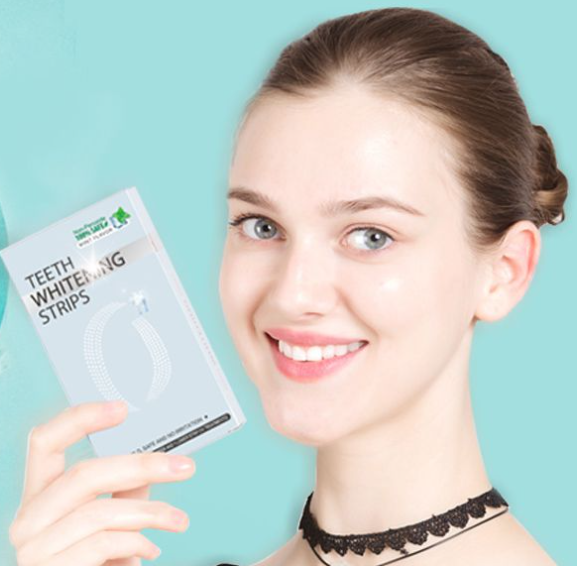
Product-specific evidence is more useful than a universal whitening promise.
Ingredient research does not automatically validate a finished strip.
The formula, delivery format and labeled routine should be evaluated together.
Starting tooth color and the type of discoloration matter.
Whitening does not change the color of crowns, veneers or fillings.
Claims about speed, shade change and comfort need their own support.
A placebo-controlled clinical trial found that its tested hydrogen-peroxide strips produced greater color improvement than placebo strips. This supports efficacy for that study product and protocol—not a promised result for every product sold as a whitening strip.
For an OEM/ODM strip project, ask whether the evidence belongs to the proposed SKU. Check the formula version, application method, evaluation period and outcome measure before turning a research finding into packaging copy.
Compare the complete user experience and test conditions, not the active ingredient name in isolation.
| Evaluation area | Question to ask | Evidence to request |
|---|---|---|
| Formula identity | What exact formulation was evaluated? | Version-controlled product specification |
| Strip format | Does the sample remain positioned as intended? | Defined sample evaluation criteria |
| Instructions | Was the tested routine the same as the proposed label? | Study protocol and draft instructions |
| Result measurement | How was color change assessed? | Method, timepoints and complete results |
| Tolerability | Were discomfort and withdrawals recorded? | Safety and adverse-event information |
| Product age | Were tested samples representative of the supplied product? | Batch and stability information |
Keep this review separate from choosing a format or visual identity. Onuge's private-label service provides a route to discuss the product brief; it does not replace validation of a particular claim.
Natural tooth color, discoloration and existing restorations affect expectations. A dental professional can help assess suitability when a consumer has dental concerns or is unsure why a tooth has changed color.
The American Dental Association explains that whitening affects natural teeth rather than tooth-colored restorations. A uniform shade across natural teeth and existing dental work should therefore not be promised in consumer copy.
Brands should also make the labeled routine easy to understand. Ask users to follow the approved instructions rather than suggesting longer wear or additional applications when progress seems slow.
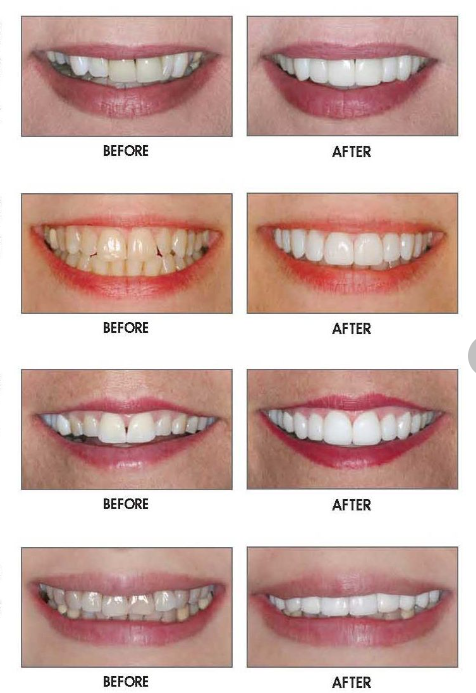
Describe only outcomes supported for the finished product. Avoid fixed shade improvements, guaranteed results or universal “zero sensitivity” wording without suitable evidence and review.
A before-and-after photograph can imply a performance claim even without a number. Confirm image permissions, consistent capture conditions and whether the pictured outcome reflects the evidence available for the product.
A study measuring color at the end of a routine does not establish how long the result lasts afterward. Request follow-up evidence before using long-lasting performance language.
Shelf life concerns the unused product; result duration concerns tooth color after use. They are different questions. See the whitening strip shelf-life guide for storage and expiry considerations.
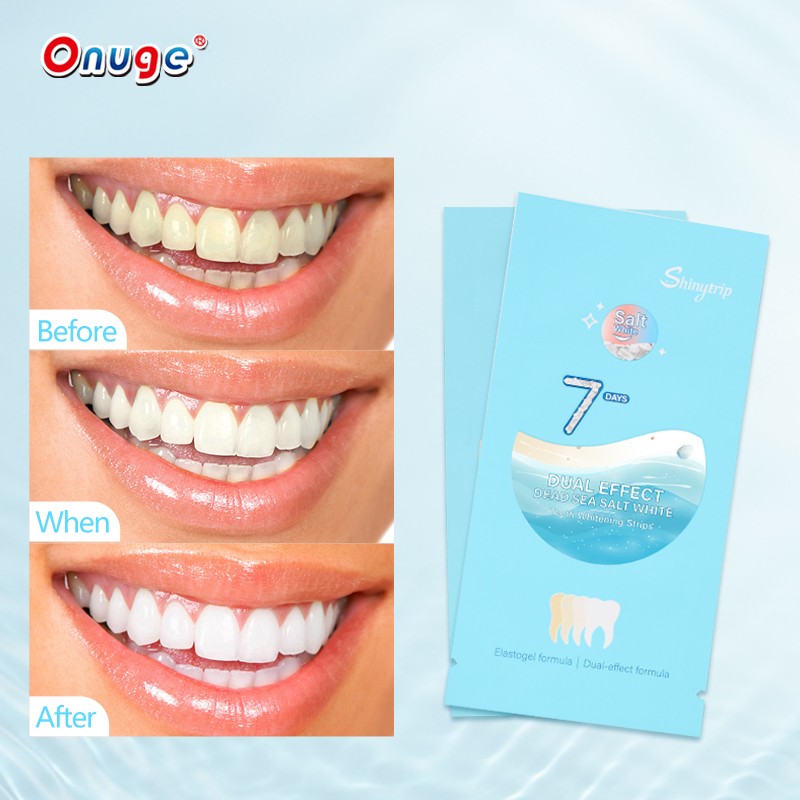
Choose a product direction before writing the headline claim. Share your market, channel, intended strip format and proposed wording with Onuge. Ask which specifications and test documents are available and which questions require additional evaluation.
Contact Onuge for samples and a quotation with a request to connect each performance claim to the exact proposed product. This gives your product, purchasing and compliance teams a clearer basis for approval.
There is no single timeline for all products. Use the exact product's evidence and instructions rather than borrowing another brand's claim.
They do not whiten these restorations in the way they whiten natural teeth. Consumers with dental work should discuss expectations with a dentist.
No. Evaluate the finished product, intended routine, tolerability and permitted claims together instead of ranking products by one number.
They should stop use and seek dental advice if needed. Customer-facing instructions should explain what to do, rather than treating discomfort as proof that whitening is working.