OEM and ODM describe different starting points for a manufacturing project—not two guaranteed packages. If your brand has a defined product specification, an OEM-style discussion may be the better starting point. If you need help developing a concept or adapting an available product platform, ask about an ODM-style scope. In either case, confirm the actual work, approvals and rights in writing rather than relying on the label alone.
For a teeth whitening brand, that decision affects more than the formula. The strip format, packaging, instructions, testing plan and sales market all need to fit the intended product. Onuge discusses these elements through its OEM/ODM service; the scope of a particular project still needs to be agreed.
Keep the brand and product concept from the original customization brief, but define which decisions your team has already made.
OEM usually starts with more buyer-defined requirements; ODM usually includes more supplier input into the design or development. Supplier terminology can vary.
Private label identifies whose brand appears on the product. It does not, by itself, settle formula ownership, exclusivity or development responsibilities.
Confirm packaging, formula, samples, testing, label review, costs and change control for the specific product before approving production.
Customization helps a brand turn a general product idea into a brief that can be evaluated and quoted. The relevant choices may include the product format, the intended user experience, the packaging system and the markets in which the finished product will be sold. Those choices should reflect the brand's channel and buyer needs—not an unsupported promise of faster sales or a guaranteed product result.
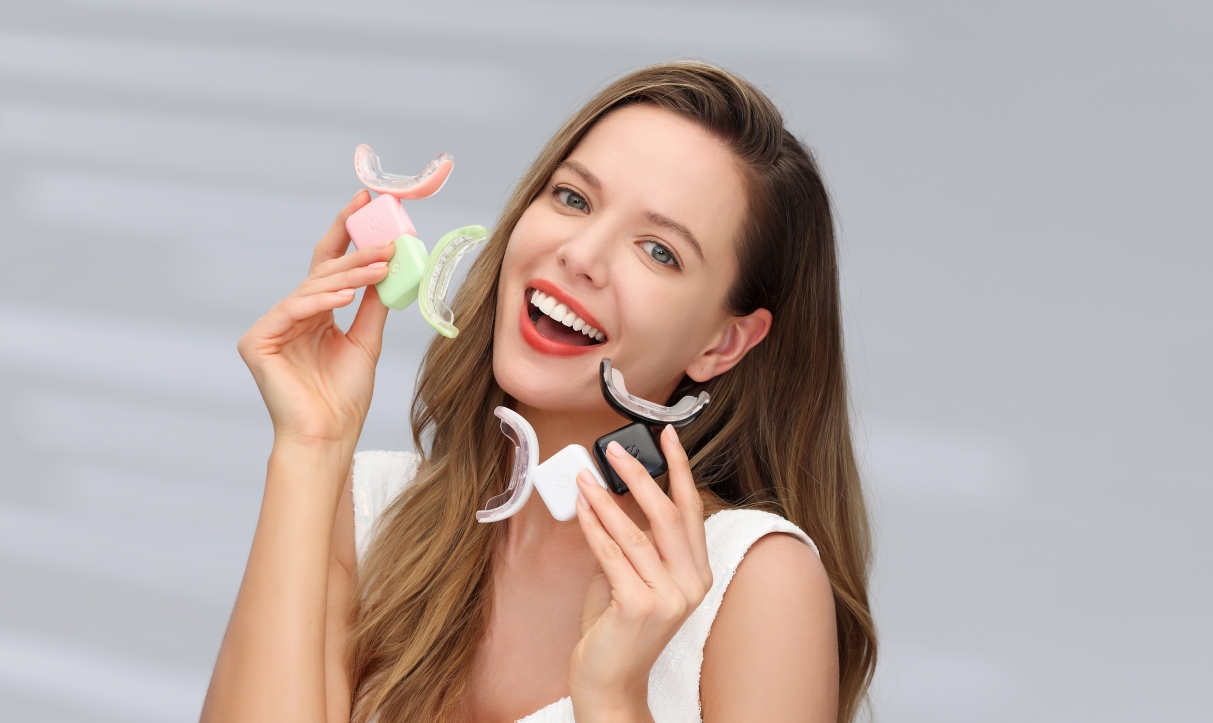
Onuge's product range includes teeth whitening strips and whitening kits. A strip project may involve decisions about film format, dimensions, flavor direction and pouch design. A kit may require separate decisions for the gel, device, tray, instructions and outer pack. Confirm which options are available for the proposed SKU rather than assuming that every feature can be combined.
The original article emphasized packaging as a visible part of brand identity. Keep that idea, but turn it into practical questions: What pack format and artwork are required? Which languages, instructions and claims will appear on the label? Who supplies and approves the final files? What packaging checks are needed for the finished product?
Onuge lists packaging customization among its service areas. The exact materials, print methods, artwork scope and approval process should be confirmed in the project quotation. A visual concept is not yet an approved production specification.
The original article also discussed formula customization. The useful buyer question is not simply whether a formula can be changed, but which change is proposed and what must be reviewed afterward. A different active system, flavor, film, applicator or package can affect the evidence and approvals needed for the finished product.
Share your desired format and target markets with the supplier, then ask what can be adapted and what testing or documentation would be needed. Do not assume that an ingredient or concentration is suitable for every market, or that a revised product inherits the evidence for an earlier version.
In an OEM-style project, the buyer generally brings a more detailed specification and asks the manufacturer to assess and produce against it. In an ODM-style project, the supplier generally contributes more to shaping the product or adapting a proposed platform. These are useful starting definitions, not universal contract terms.
| Decision | OEM-style starting point | ODM-style starting point |
|---|---|---|
| Product brief | Buyer supplies more defined requirements. | Supplier contributes more concept or platform input. |
| Early question | Can the proposed specification be made and validated? | Which available approach fits the brand brief? |
| Customization | Set by the agreed technical specification. | Set by the platform and agreed development work. |
| Rights and exclusivity | Require explicit agreement. | Require explicit agreement. |
| Timing and price | Depend on actual work and approvals. | Depend on actual work and approvals. |
Neither term automatically means a particular formula belongs to the buyer, a sample is free, or a launch will be quicker. Put the agreed deliverables and exclusions in the written scope.
Start with an OEM-style discussion if your team has a detailed product specification, defined performance criteria and people ready to approve technical changes. The manufacturer can then assess feasibility and identify any missing requirements.
Start with an ODM-style discussion if you have a clear brand position and target customer but still need options for the product concept, format or packaging. Ask which elements come from an existing platform, which can be changed and which would need new development or review.
For either route, the first decision is not necessarily final. A whitening kit can combine buyer-defined packaging with supplier-proposed components. Define responsibility for each part and for the finished kit instead of forcing the entire project into one label.
The original article described a concept-to-shelf process. The following is a more useful discussion sequence for a specific project; it is not a promise that every Onuge order follows identical steps or timing.
Share the brief. Specify target markets, sales channel, product format, packaging direction and the decisions your team has already made.
Review feasibility and scope. Identify which product, formula, component, artwork and testing questions need technical or commercial answers.
Request and evaluate samples. Agree what the sample is intended to demonstrate and how changes will be recorded. Keep an approved reference version.
Confirm the production specification. Record the final components, packaging files, acceptance criteria, documentation responsibilities, quotation inclusions and approval owners.
Plan production and shipment. Confirm the current SKU-specific MOQ, charges, production timing, inspection arrangements and delivery terms in the quotation.
This sequence keeps the original brand-building purpose while making the handoffs visible to procurement, product and compliance teams.
Development scope: Does the proposal include formula work, tooling, packaging design, sample revisions and relevant testing? What is excluded?
Product evidence: Which specification and test records apply to the proposed finished product and destination market?
Approval owners: Who signs off the formula, sample, artwork, claims, instructions and later changes?
Rights: Who controls the formula, artwork, tooling and technical files? Is any exclusivity actually proposed? Have the appropriate business and legal reviewers checked the terms?
Commercial terms: What are the SKU-specific MOQ, sample charges, production assumptions, shipment terms and payment milestones?
The OEM/ODM service page shows Onuge's customization areas. Use it as the starting point for a project discussion, not as a substitute for a current, written quotation or market-specific review.
Tell Onuge what you plan to sell, where you plan to sell it and which parts of the product are already defined. If you are comparing OEM and ODM, ask the team to separate buyer-supplied requirements from supplier-proposed options and to list the evidence, approvals and costs still needed.
Contact Onuge about your product brief to request a written discussion of the proposed scope, sample plan and quotation. Product availability and commercial terms must be confirmed for your project.
No. Private label describes the branding of the finished product. The development and manufacturing responsibilities still need to be defined.
No. Formula rights, access to technical files and exclusivity depend on the written agreement, not the OEM label.
No. Compare the actual changes, samples, testing, packaging and approvals required for each proposal.
Yes. Different components can have different development arrangements. Confirm responsibility for each component and for final kit approval.